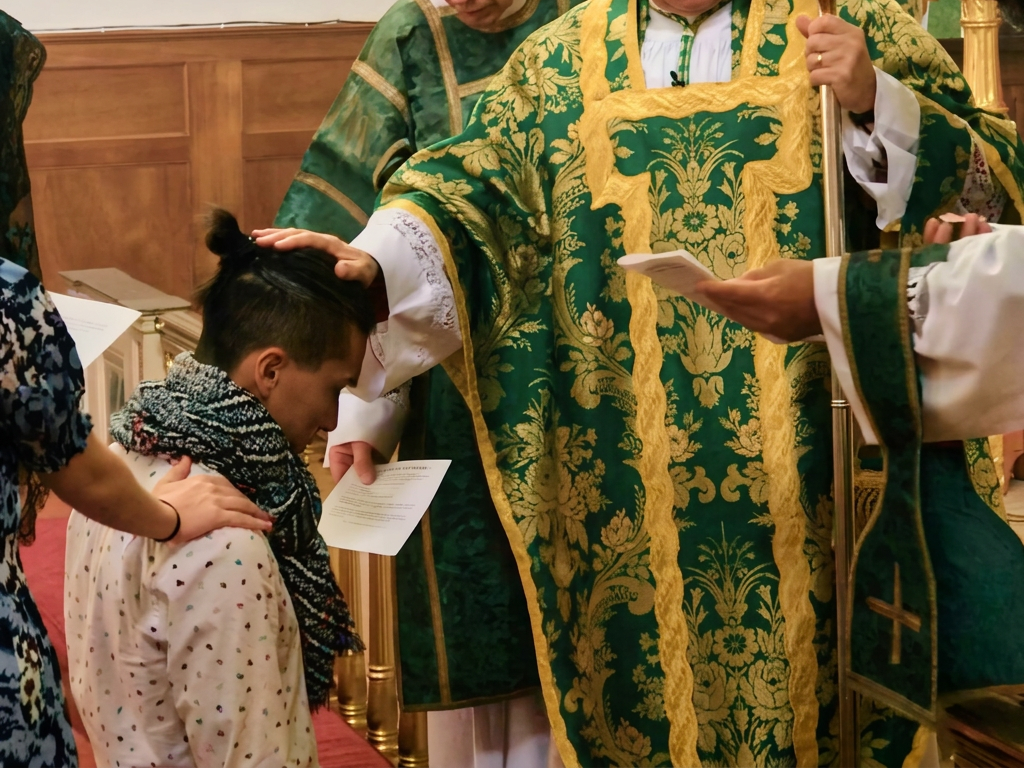
In the Sacrament of Penance and Reconciliation, commonly called Confession, Christ forgives sins committed after Baptism and restores the sinner to friendship with God. Having honestly examined our conscience, we confess our sins to a priest, express genuine contrition and receive sacramental absolution. The priest acts not merely as a counsellor or witness, but in the person of Christ and by the authority entrusted by Christ to his Church.
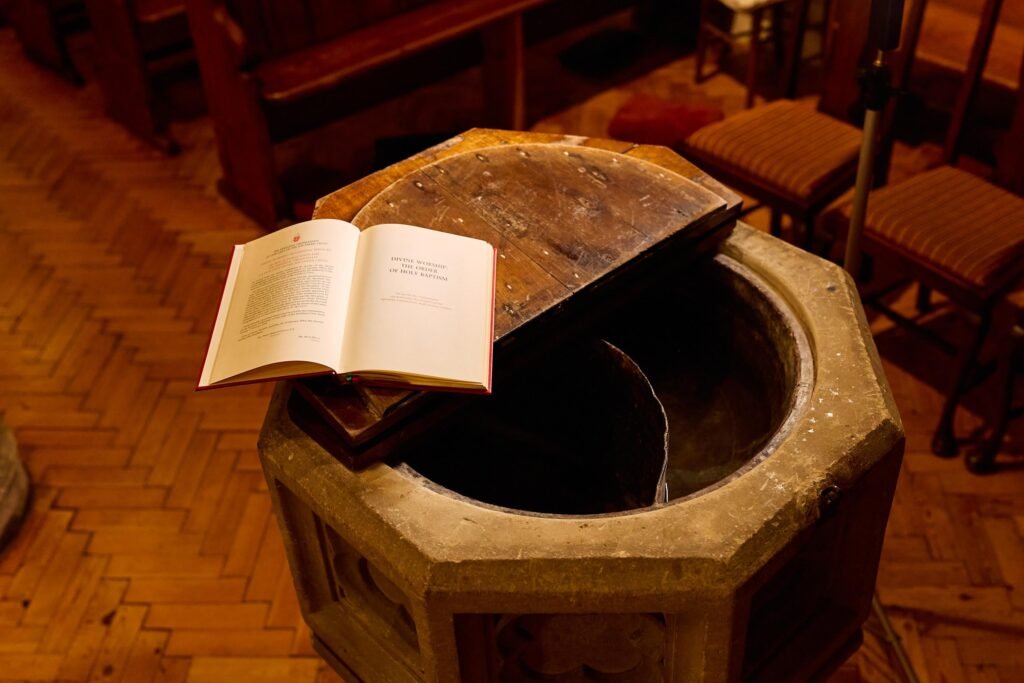
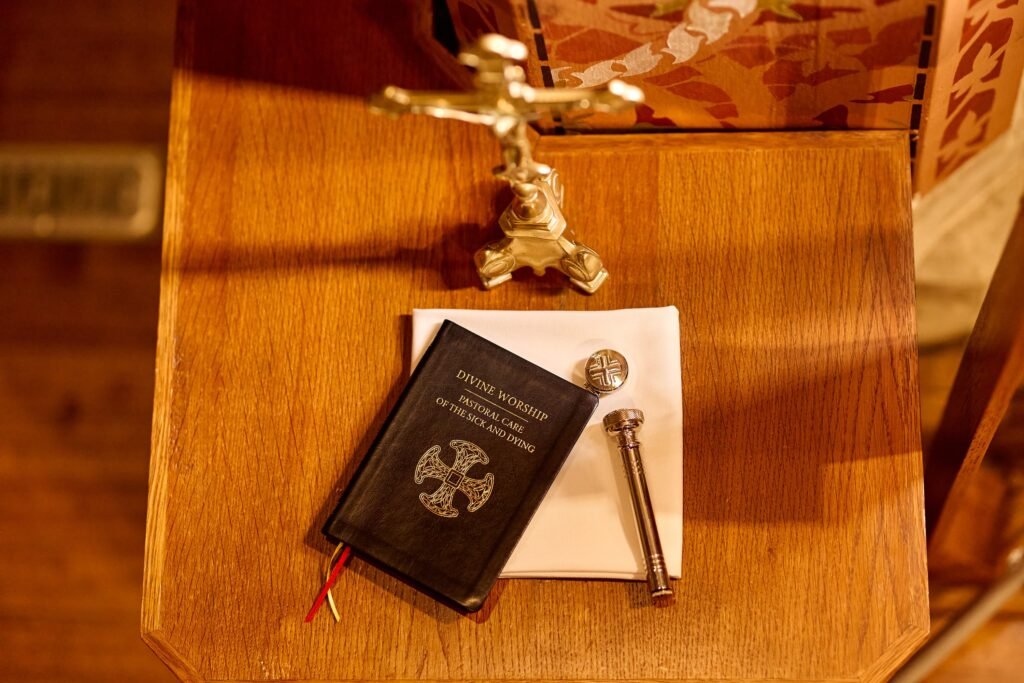
Confession occupies an important place in the spiritual life of the Ordinariate. Our liturgical patrimony has a particularly strong sense both of the seriousness of sin and of our absolute dependence upon divine mercy. The traditional language of repentance found in Divine Worship continually reminds us that we approach God not trusting in our own righteousness, but in his manifold and great mercies.
Catholics are encouraged to make regular use of this Sacrament, not merely when conscious of grave sin. Confession brings peace, strengthens us against temptation and helps us to grow in self-knowledge and holiness. The seal of Confession is absolute: what is confessed in the Sacrament can never be disclosed by the priest.
Explore other sacraments