The Ordinariate community in Salisbury is an integral part of the wider Catholic community in Salisbury and the surrounding pastoral area. Although we have our own identity and distinctive liturgical tradition within the Catholic Church, we share in the life and mission of the local Catholic community, worshipping alongside other Catholics and working together in the service of the Church.
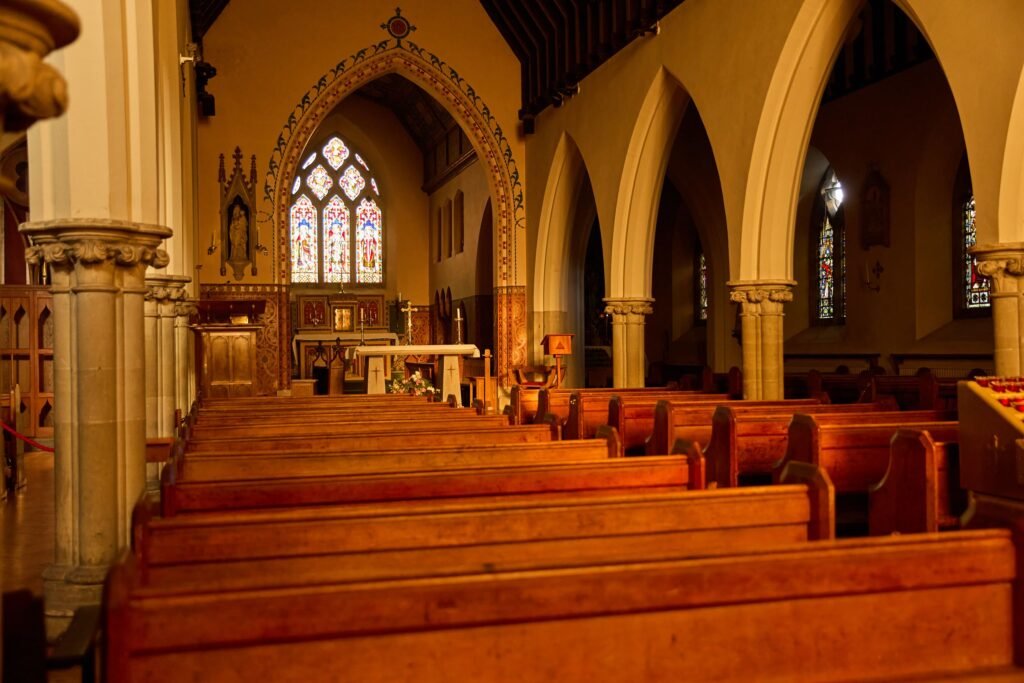
This close relationship is reflected particularly in the ministry of the Ordinariate priest, who also assists in the wider pastoral area and regularly celebrates Mass in six Catholic churches and chapels in Salisbury and the surrounding countryside. Our life as an Ordinariate community is therefore firmly rooted in the wider Catholic family of this part of Wiltshire.
The principal home of the Salisbury Ordinariate community is St Osmund’s Church in Exeter Street, where we gather for the Sacrifice of the Holy Mass. The Sarum Ordinariate group was formed in 2011 and has worshipped at St Osmund’s as part of the Catholic life of the cit.
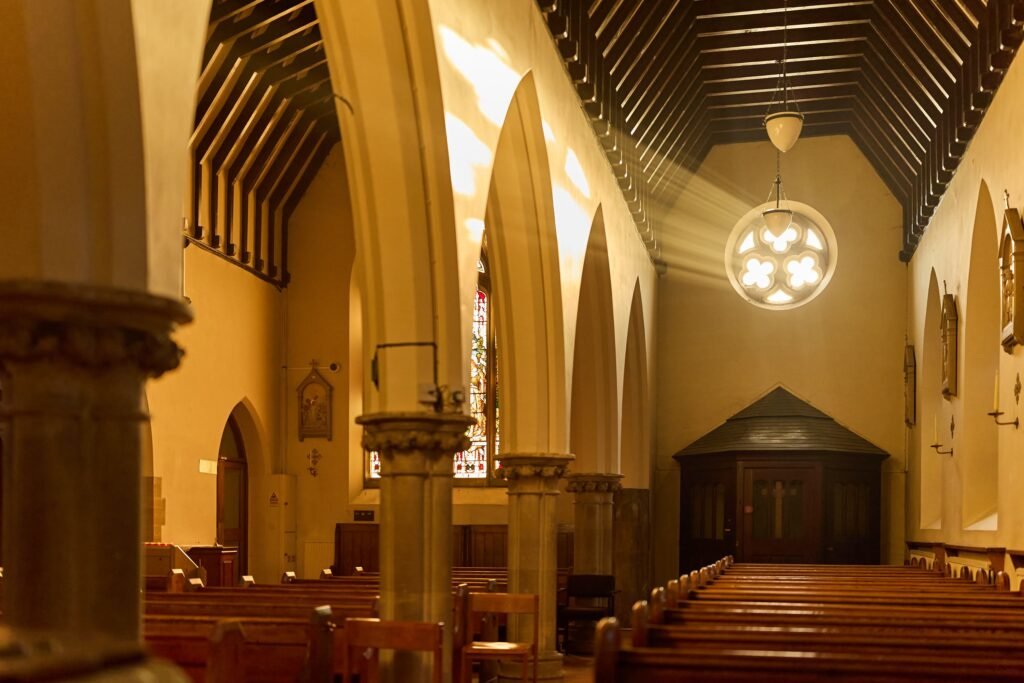
St Osmund’s itself has a remarkable place in the history of Catholic Salisbury. After the Reformation, the Catholic faith survived locally through small communities and through the support of the Catholic Arundell family of Wardour. By the nineteenth century the growing Catholic population required a permanent and larger church. The present church was built in 1847–1848 and consecrated in September 1848.
Its architect was the great Augustus Welby Northmore Pugin, one of the leading figures of the nineteenth-century Gothic Revival and celebrated for his work on the Palace of Westminster. Salisbury had a particularly personal significance for Pugin: he lived for a time nearby and it was here, in 1835, that he himself was received into the Catholic Church. He had already helped improve Salisbury’s earlier Catholic chapel before being commissioned to design St Osmund’s.
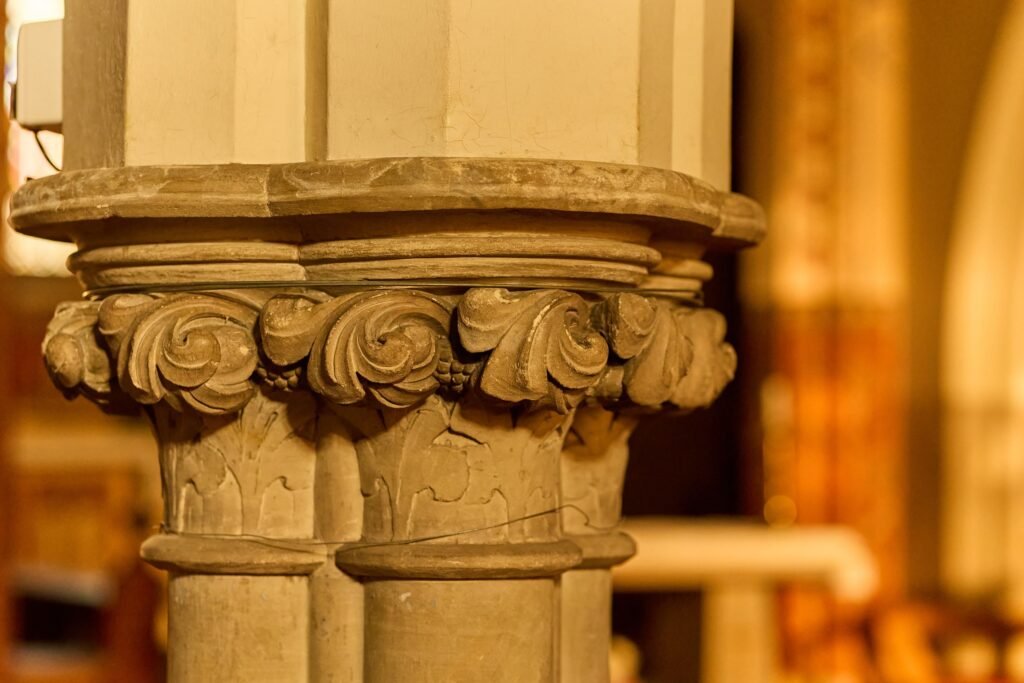
Built of flint with stone dressings in Pugin’s characteristic Gothic style, St Osmund’s was later enlarged in 1894. More than a century and a half after its consecration, it remains a living place of Catholic worship in the heart of Salisbury – and today provides a fitting home for the Ordinariate community and its distinctive contribution to the Catholic life of the city.